





SSD Makers Quality Control System
Leading SSD manufacturers implement a comprehensive quality control system that spans the entire production lifecycle—from component sourcing and design validation to assembly, testing, and post-sales monitoring. The process begins with stringent supplier qualifications, ensuring only certified NAND flash, controllers, and other critical components meet industry standards like ISO 9001. During production, automated optical inspection (AOI) and X-ray scanning verify solder joint integrity and component alignment, while rigorous environmental stress testing (e.g., thermal cycling, humidity resistance, and shock/vibration tests) validates durability under extreme conditions. Each SSD undergoes performance benchmarking using specialized equipment to validate read/write speeds, latency, and error correction capabilities, with firmware optimized for compatibility across diverse host systems. Post-production, random sampling tests check long-term reliability metrics such as terabytes written (TBW) and mean time between failures (MTBF). Manufacturers also leverage traceability systems to track batches, enabling rapid response to potential issues. By integrating real-time data analytics and customer feedback loops, these quality systems continuously refine processes to reduce defect rates, ensure regulatory compliance (CE, FCC, ROHS), and deliver products that balance performance, longevity, and cost-effectiveness for consumer, industrial, and AI-driven applications.
GENERATE PROCESS
Strict quality control is implemented in 25 production processes.
Order Start
Order Review
Raw Materials
Purchase
Incoming
Inspection
Material
warehousing
SMT patch
Material
verification
SMT feeding
spi
Solder paste
printing
Furnace front
inspection
Reflow
AOI
FAI
PCB Splitting
OC Tool
High temperature
bit
Second
firmware
High temperature RDT
One time
firmware
Third firmware
fqc
Engraved board label
OQC
FINISH
Order Start
Order Review
Raw Materials
Purchase
Incoming
Inspection
SMT feeding
spi
Solder paste
printing
Material
warehousing
Material
verification
SMT patch
Furnace front
inspection
Reflow
One time
firmware
PCB Splitting
FAI
AOI
High temperature
RDT
Second
firmware
High temperature
bit
OC Tool
OQC
Engraved board label
fqc
Third firmware
FINISH
Order Start
Order Review
Incoming
Inspection
Raw Materials
Purchase
Material
warehousing
Solder paste
printing
SMT feeding
spi
Material
verification
SMT patch
Reflow
Furnace front
inspection
AOI
FAI
One time
firmware
PCB Splitting
High temperature
RDT
Second
firmware
OC Tool
High temperature
bit
Third firmware
fqc
OQC
Engraved board label
FINISH
Computer Storage Hardware Production Process
The computer storage hardware production process at Indilinx integrates advanced manufacturing technologies with stringent quality control across 25 precise stages. From chip design and component sourcing to automated SMT assembly, rigorous testing, and final certification, each phase ensures optimal performance and reliability. Utilizing industry-leading partners like Intel, Samsung, and Micron for key components, the process emphasizes efficiency, scalability, and adherence to international standards (CE/FCC/ROHS). With a monthly capacity of 300K–400K SSDs and 500K–600K RAM units, Indilinx delivers robust storage solutions tailored for diverse applications, backed by a defect rate below 1% for SSDs and 0.4% for DRAM.
01
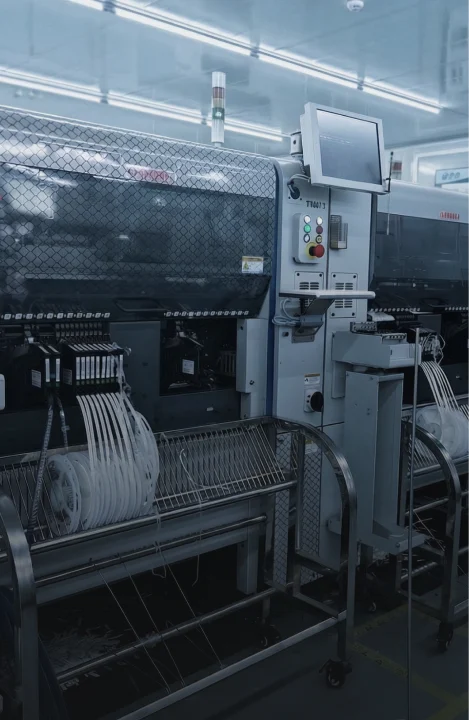
Precision Component Sourcing
Certified NAND flash and DRAM chips are sourced from partners like Samsung and Micron.
02
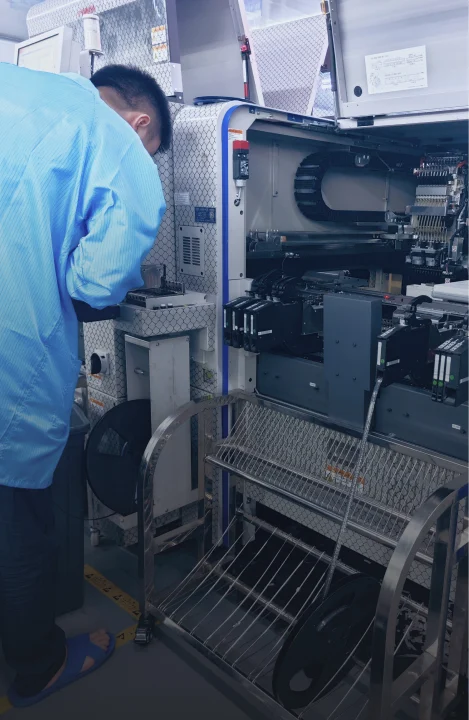
Automated SMT Assembly
Micro-components are mounted onto PCBs using high-precision SMT lines for minimal error.
03
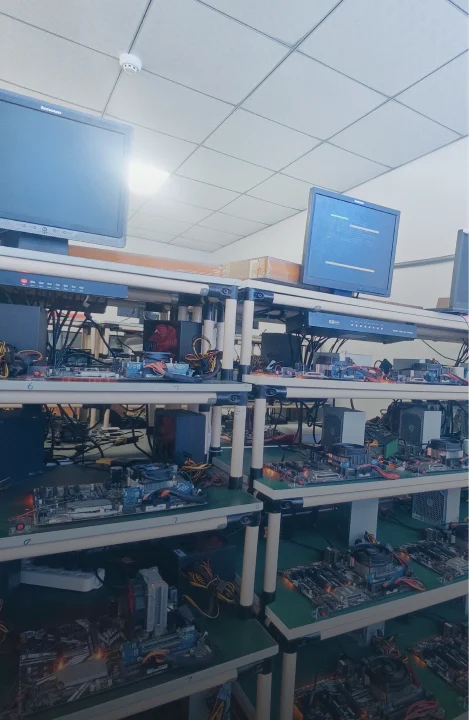
Rigorous Functional Testing
Each unit undergoes speed, latency, and compatibility tests with AMD/Intel platforms.
04
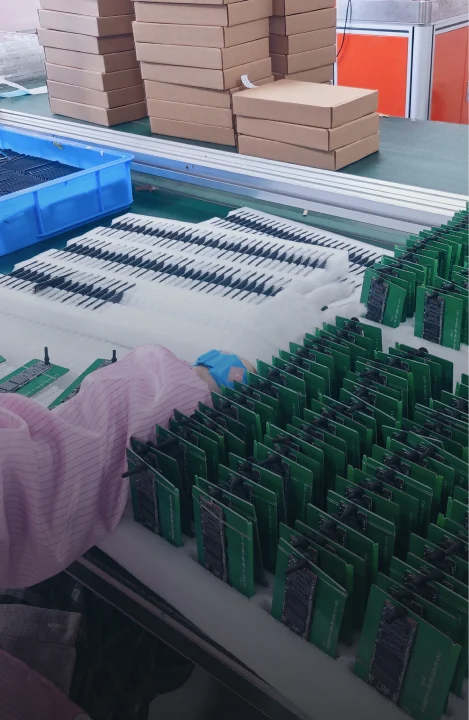
Quality Certification and Packaging
Final products are certified (CE/FCC/ROHS) and packaged for global shipment.
Final Quality Control
Final Quality Control (FQC) is the last critical checkpoint in computer storage hardware production, ensuring every product meets rigorous performance and reliability standards before shipment. At Indilinx, FQC integrates automated testing protocols, stress simulations, and manual inspections to validate parameters like read/write speed, temperature tolerance, and compatibility. This phase adheres to international certifications (CE/FCC/ROHS) and leverages advanced tools such as RDT/BIT diagnostics to eliminate defects. With a defect rate controlled below 1% for SSDs and 0.4% for DRAM, FQC guarantees consistent quality, reinforcing customer trust and long-term product durability.
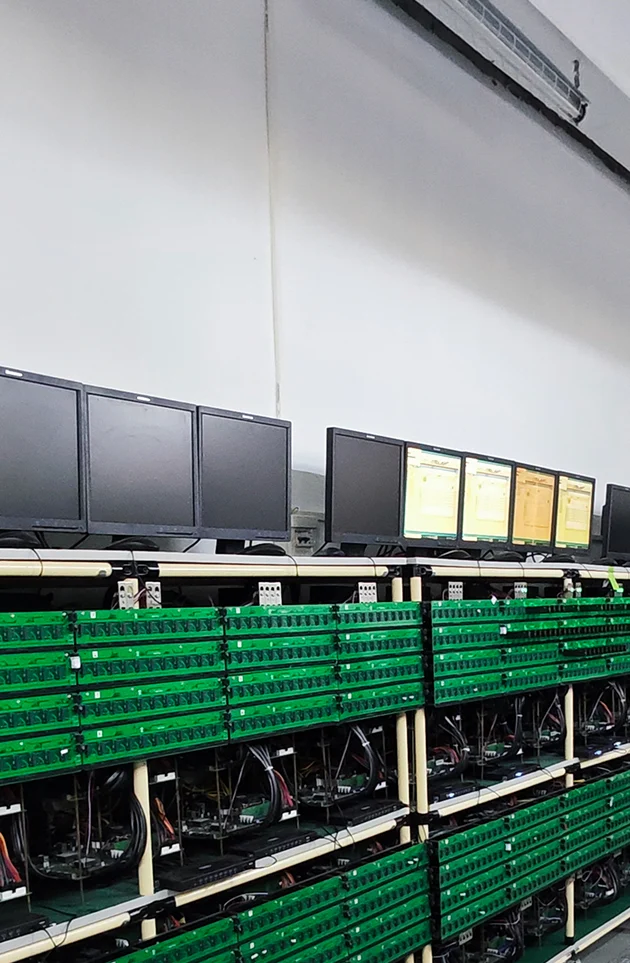
Automated Functional Testing
Each unit undergoes automated speed, latency, and error checks to verify core functionality.
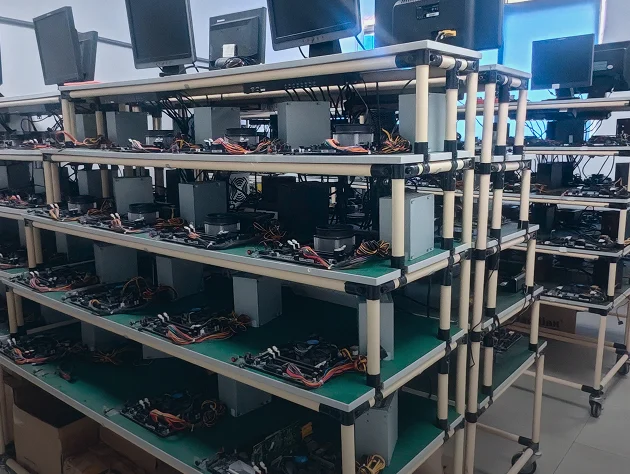
Environmental Stress Testing
Products are exposed to extreme temperatures (-5°C to 75°C) to ensure stability under harsh conditions.
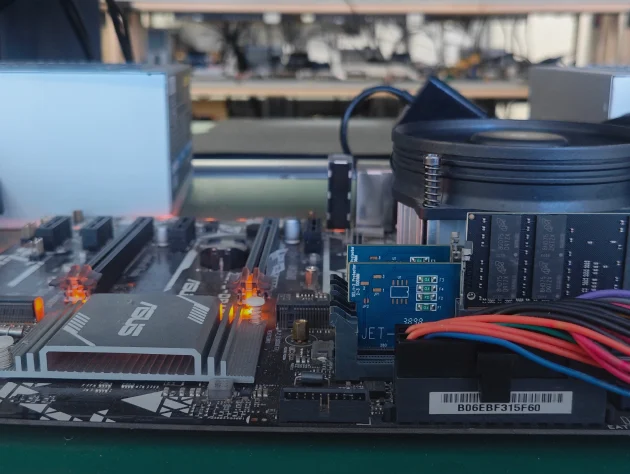
Compatibility Validation
Rigorous testing with AMD/Intel platforms and mainstream motherboards confirms broad hardware compatibility.
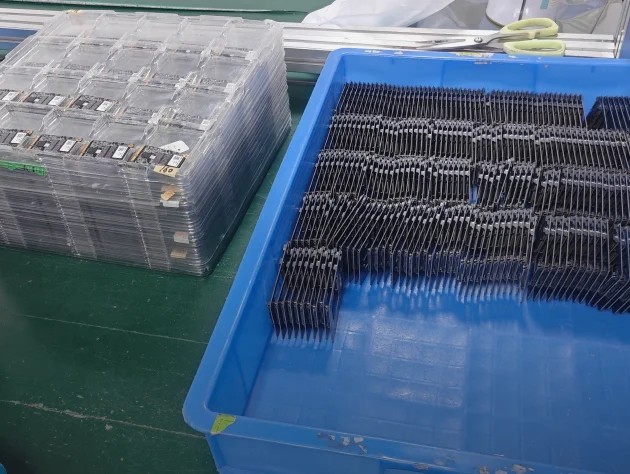
Bad Block Management
RDT/BIT procedures identify and isolate faulty memory blocks, enhancing long-term reliability.
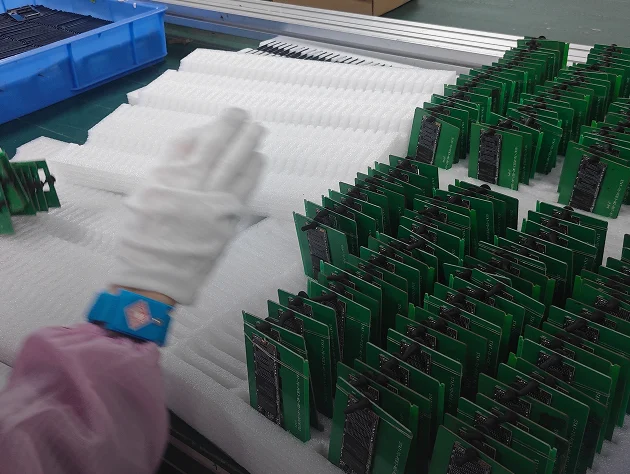
Certification and Packaging Audit
Final checks for CE/FCC/ROHS compliance and packaging accuracy precede shipment.
Automated Functional Testing
Each unit undergoes automated speed, latency, and error checks to verify core functionality.
Environmental Stress Testing
Products are exposed to extreme temperatures (-5°C to 75°C) to ensure stability under harsh conditions.
Bad Block Management
RDT/BIT procedures identify and isolate faulty memory blocks, enhancing long-term reliability.
Compatibility Validation
Rigorous testing with AMD/Intel platforms and mainstream motherboards confirms broad hardware compatibility.
Certification and Packaging Audit
Final checks for CE/FCC/ROHS compliance and packaging accuracy precede shipment.
After-Sales and Quality Traceability System
Indilinx implements a comprehensive after-sales and quality traceability system to ensure seamless customer support and product accountability. This system integrates warranty management, real-time defect tracking, and lifecycle monitoring—enabling swift resolution of compatibility or performance issues. Each product carries a unique identifier linked to manufacturing data (e.g., chip batches, testing logs), while automated tools analyze failure patterns. With flexible warranty policies (5-year SSD/lifetime RAM for Indilinx brands) and proactive spare parts allocation, the system minimizes downtime, maintains defect rates below 1% for SSDs and 0.4% for DRAM, and reinforces long-term trust through transparent, responsive service.
Multi-Tier Warranty Framework
Indilinx brand: 5-year SSD, lifetime RAM. OEM: 3-year SSD, 5-year RAM.