PSSD

Portable SSD Series: high-speed, compact, secure backups, wide device compatibility for on-the-go use

USB SSD

USB SSD Series: ultra-fast transfer, compact, durable, multi-device compatible for easy secure storage

Enterprise

Enterprise SSD Series: high-performance for data centers, low latency, secure scalable storage for business ops

Founded in 2012,Indilinx is a natinal high-tech enterprise in the field of design,software development, packaging and testing, manufacturering and application of memory chips.

Building C, BaiYang Industrial Zone, No. 44 KengweiRoad, Shiyan Street, Bao’an District, ShenZhen, china

Ryan@indilinx.cn

+86 755 28234608

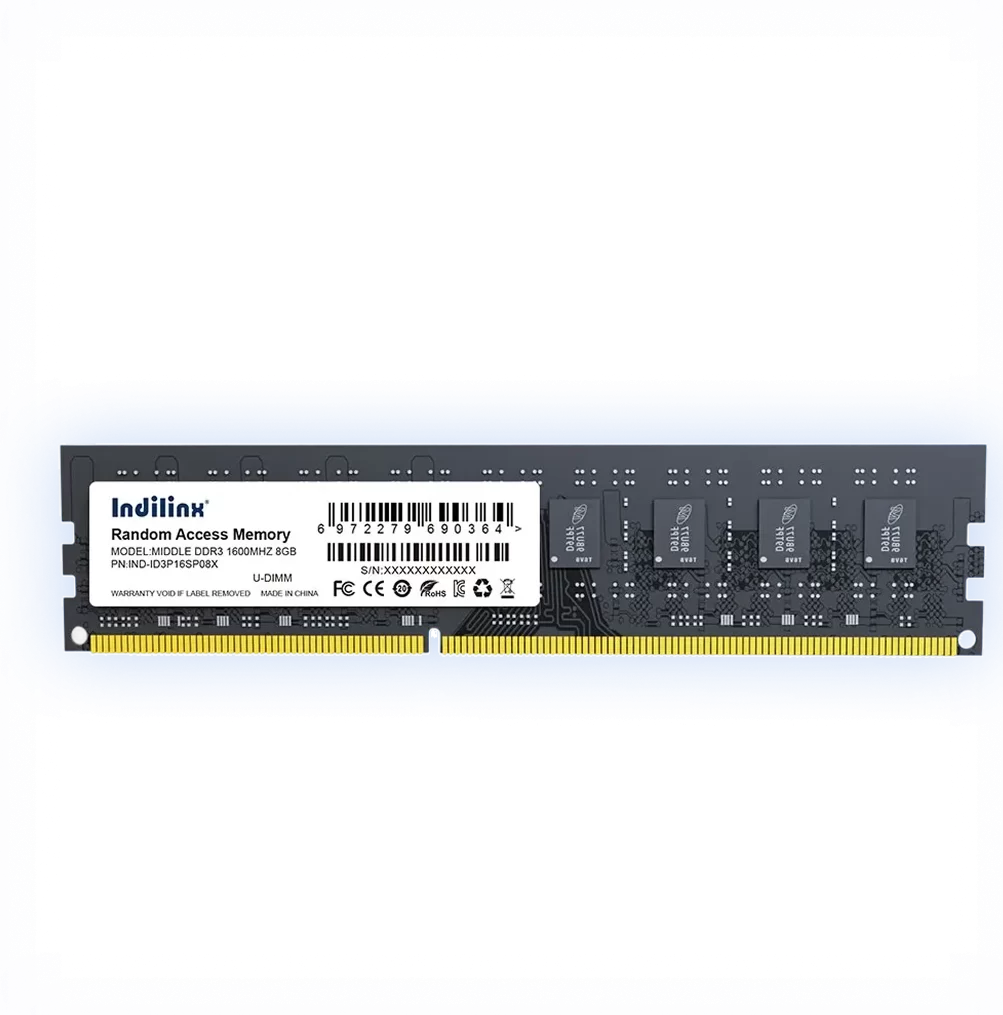
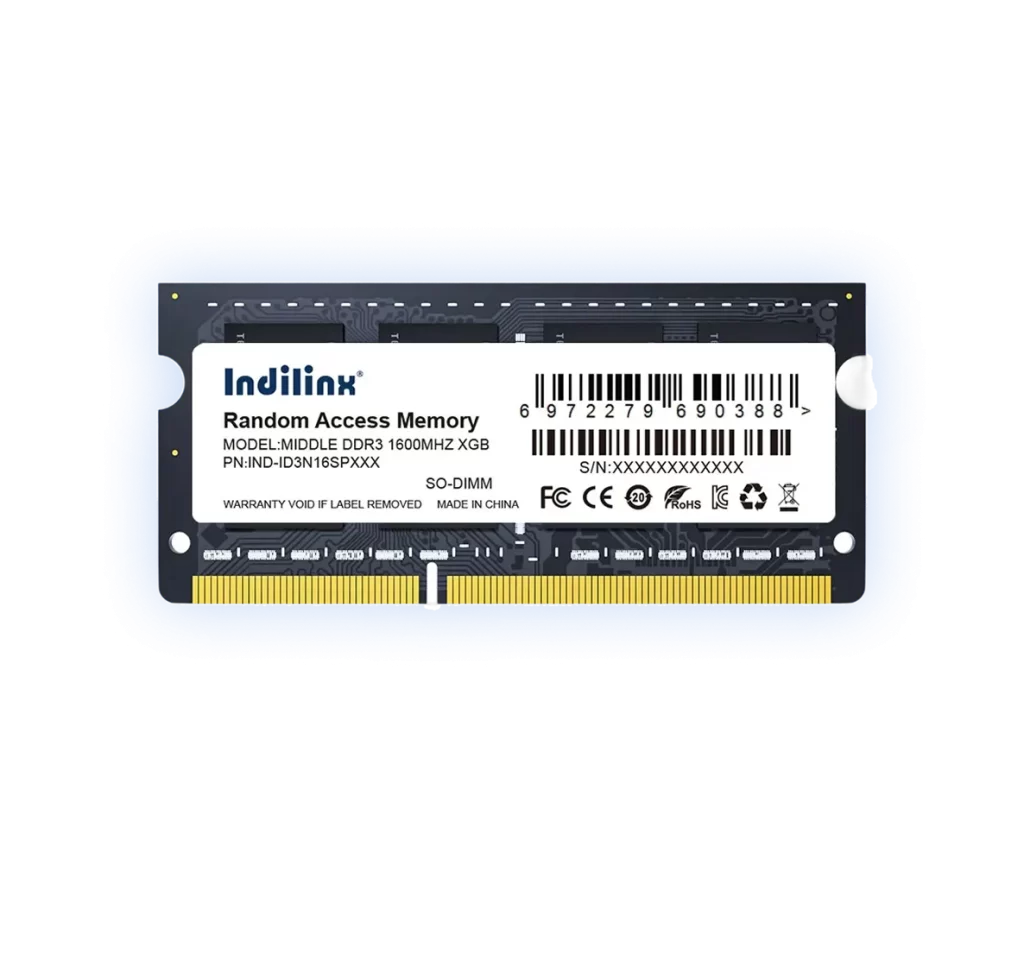
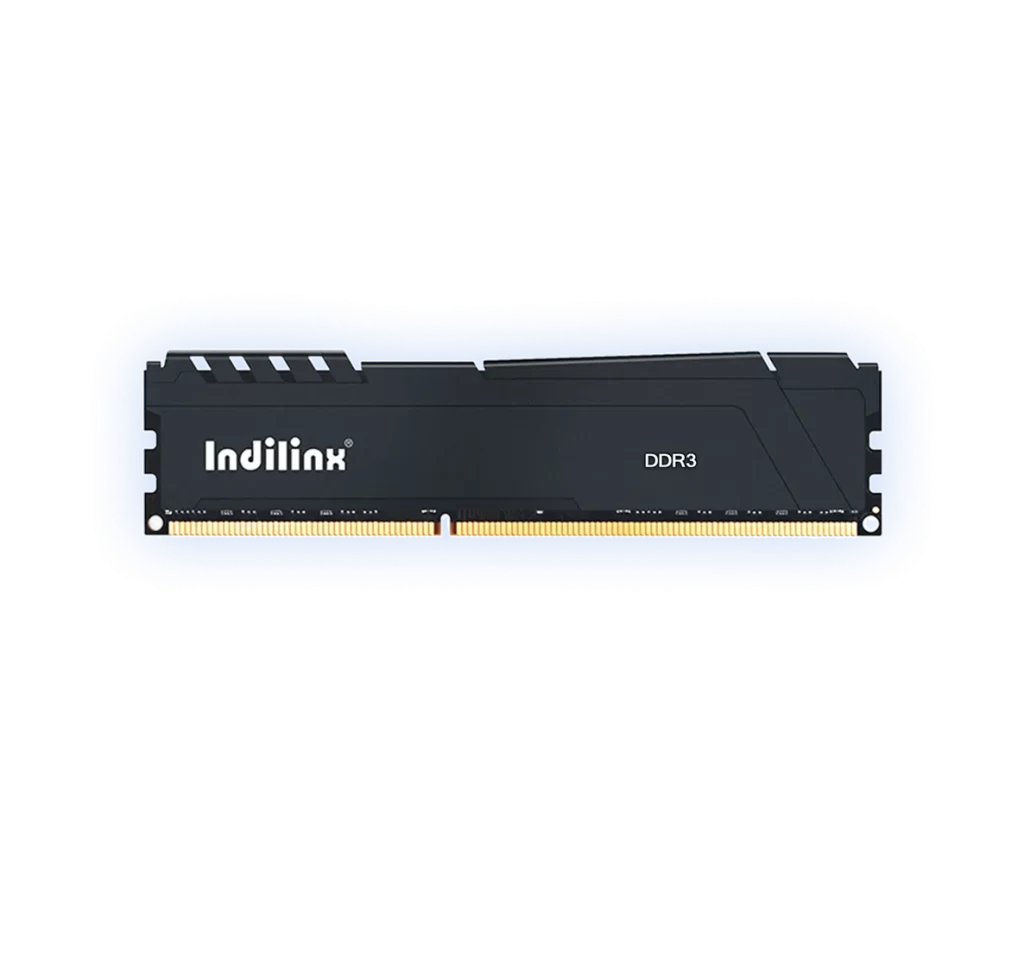
DDR3 Memory

Indilinx DDR3: 1.5/1.35V, cost-effective for legacy systems, broad Intel/AMD compatibility & stable performance

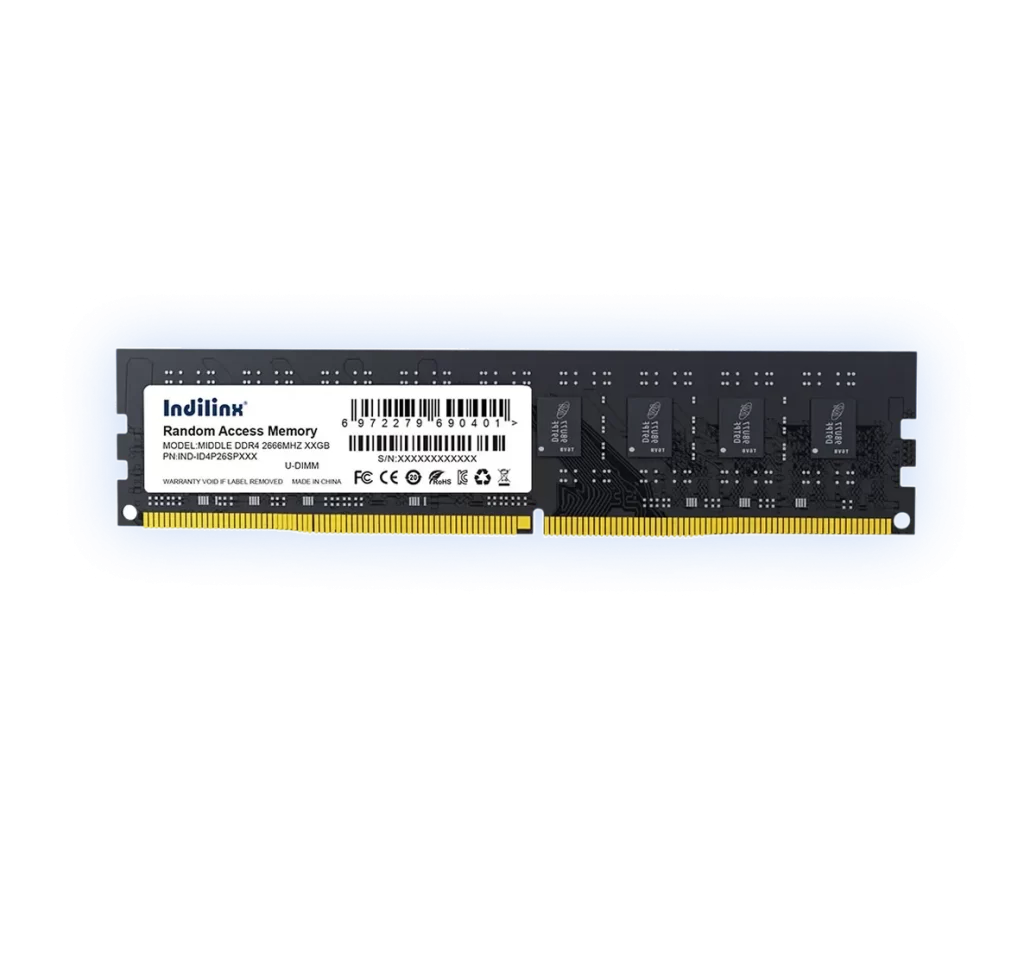
DDR4 Memory

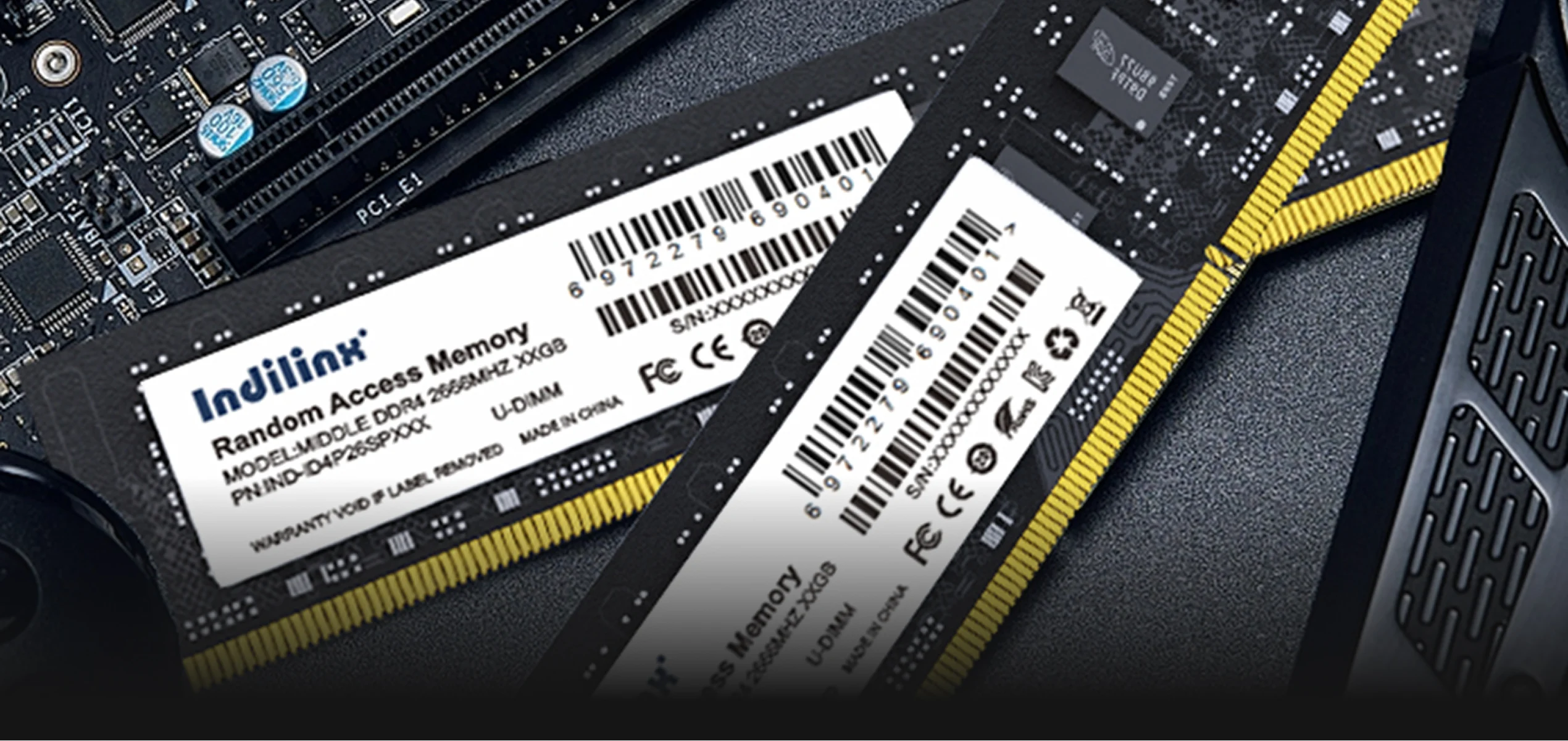
Indilinx DDR4: 1.2V efficient, 2666-4800MHz+, universal Intel/AMD fit for all computing needs

DDR5 Memory

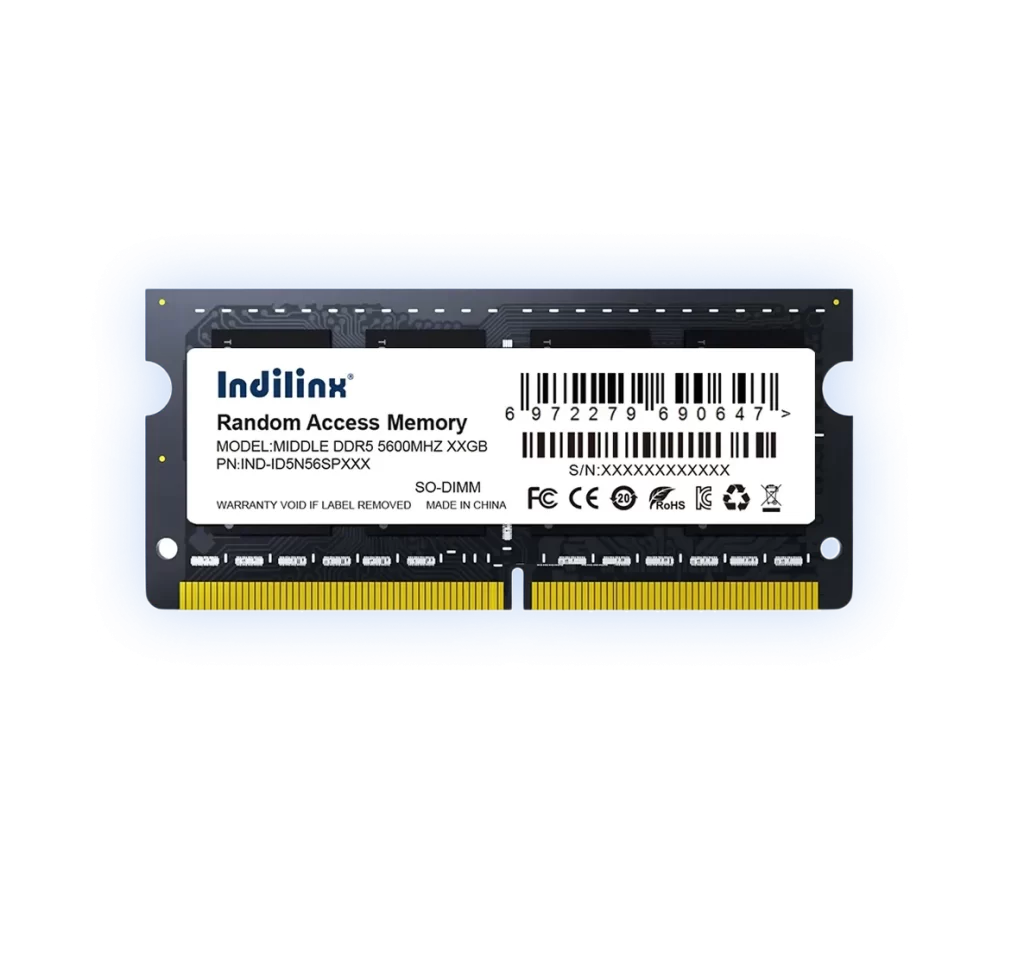
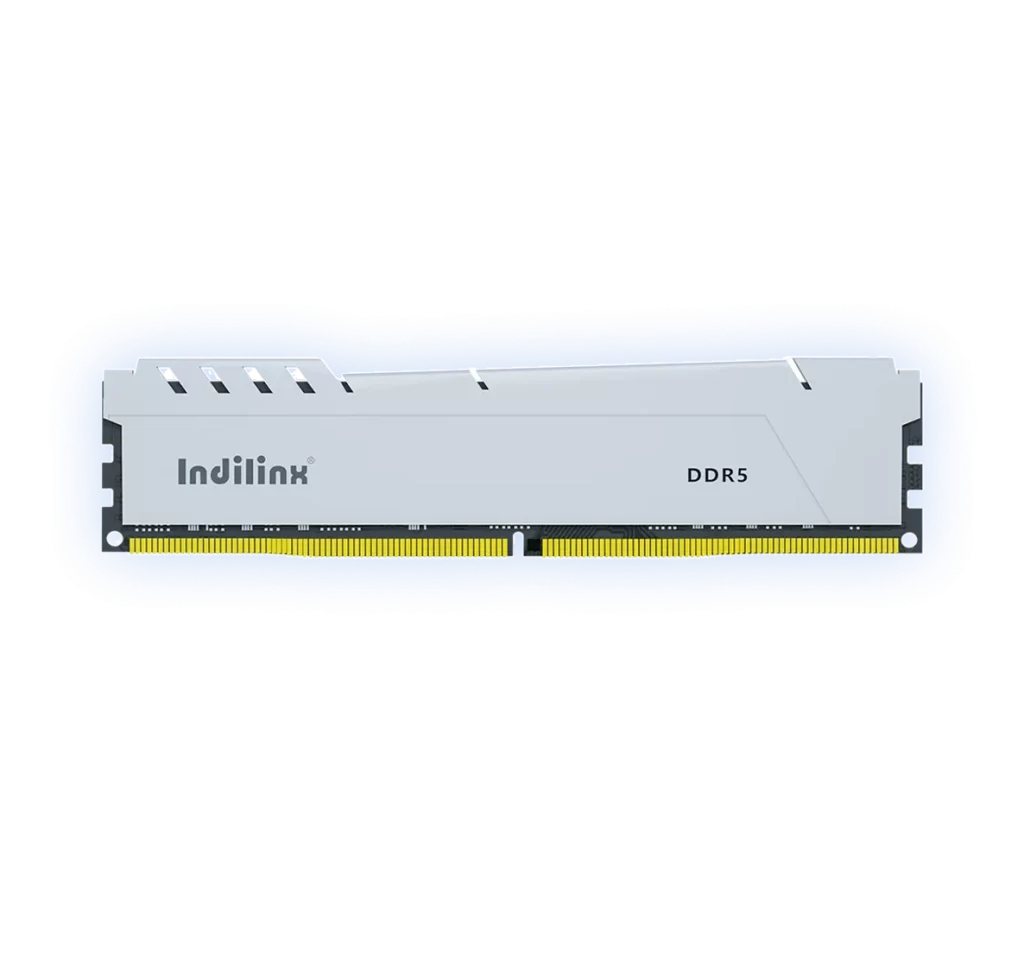
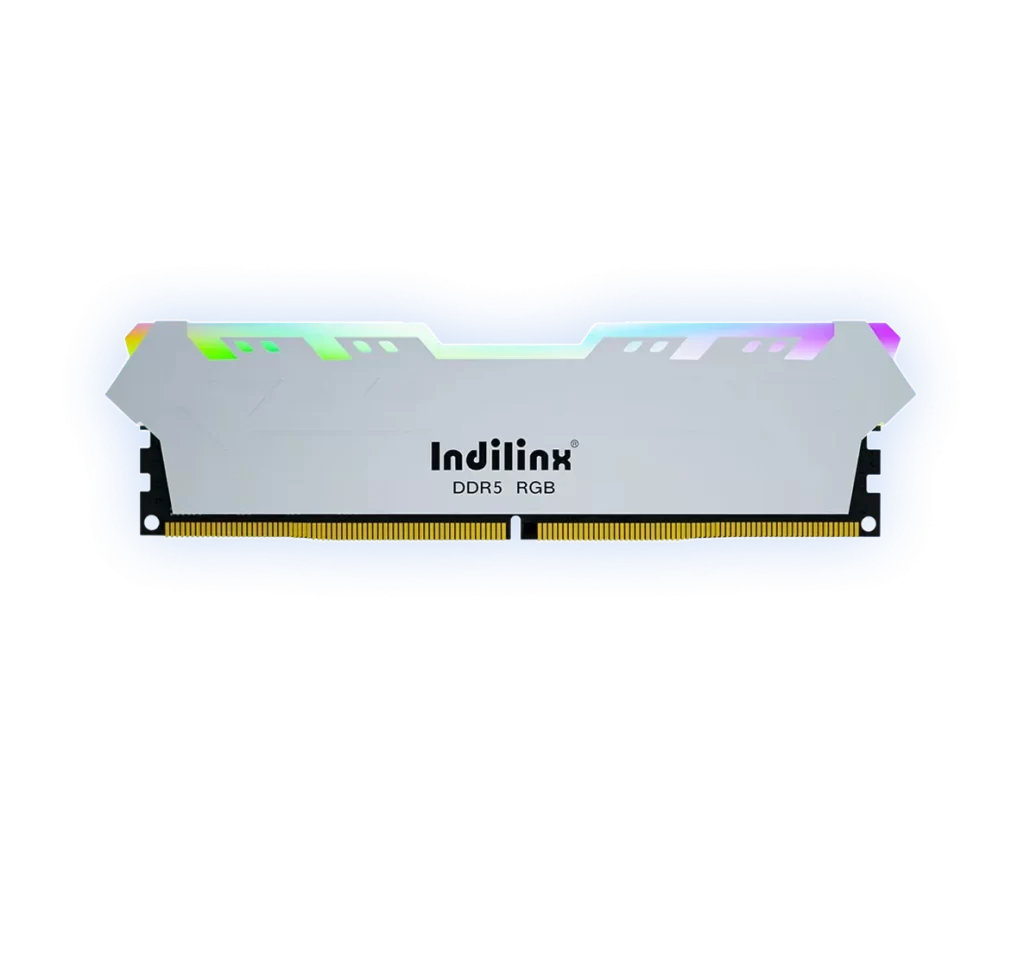
Indilinx DDR5: 4800+MT/s, PMIC/ODECC, next-gen performance for gaming, AI, data centers

Founded in 2012,Indilinx is a natinal high-tech enterprise in the field of design,software development, packaging and testing, manufacturering and application of memory chips.

Building C, BaiYang Industrial Zone, No. 44 KengweiRoad, Shiyan Street, Bao’an District, ShenZhen, china

Ryan@indilinx.cn

+86 755 28234608

USB Flash Drive

Indilinx Titan X SSD: USB3.2 Gen1, military-grade, 256-bit AES, 128GB-1TB for professionals

Founded in 2012,Indilinx is a natinal high-tech enterprise in the field of design,software development, packaging and testing, manufacturering and application of memory chips.

Building C, BaiYang Industrial Zone, No. 44 KengweiRoad, Shiyan Street, Bao’an District, ShenZhen, china

Ryan@indilinx.cn

+86 755 28234608

Micro SD

Indilinx Micro SD: compact portable, seamless data flow across phones, cameras, game consoles

Founded in 2012,Indilinx is a natinal high-tech enterprise in the field of design,software development, packaging and testing, manufacturering and application of memory chips.

Building C, BaiYang Industrial Zone, No. 44 KengweiRoad, Shiyan Street, Bao’an District, ShenZhen, china

Ryan@indilinx.cn

+86 755 28234608

USB-flash-Drive-Icon

USB Flash Drive

Indilinx-Micro-SD-Icon

Micro SD

logo

Founded in 2012,Indilinx is a natinal high-tech enterprise in the field of design,software development, packaging and testing, manufacturering and application of memory chips.

Building C, BaiYang Industrial Zone, No. 44 KengweiRoad, Shiyan Street, Bao’an District, ShenZhen, china

Ryan@indilinx.cn

+86 755 28234608

All DDR3/DDR4/DDR5 Memory (RAM) Types

Choosing the right memory is crucial for system performance, compatibility, and stability. This overview covers the three primary DDR (Double Data Rate) RAM generations in use today. DDR3 was the dominant standard for nearly a decade, powering systems from the late 2000s to the mid-2010s. It operates at lower speeds (typically 800-2133 MT/s) and higher voltages (1.5V) compared to newer generations. DDR4, succeeding DDR3, introduced higher data rates (starting at 2133 MT/s), improved power efficiency (1.2V), and increased density. DDR5 represents the latest leap, offering dramatically increased bandwidth (starting at 4800 MT/s), superior power management with an integrated PMIC, and much higher potential capacities. While physically incompatible, each generation delivers significant advancements in speed and efficiency for its respective platform era.

Broad Compatibility for Legacy & Modern Systems
Covers essential RAM types for PCs from the past decade to today’s latest builds.

Performance Scaling Across Generations
Each DDR generation offers significant speed and efficiency improvements over the last.

Critical for System Stability & Upgrades
Using the correct, compatible RAM type ensures reliable operation and successful upgrades.

 Foundational to Overall Computing Experience
RAM type and speed directly impact system responsiveness, multitasking, and application performance.

DDR3

logo

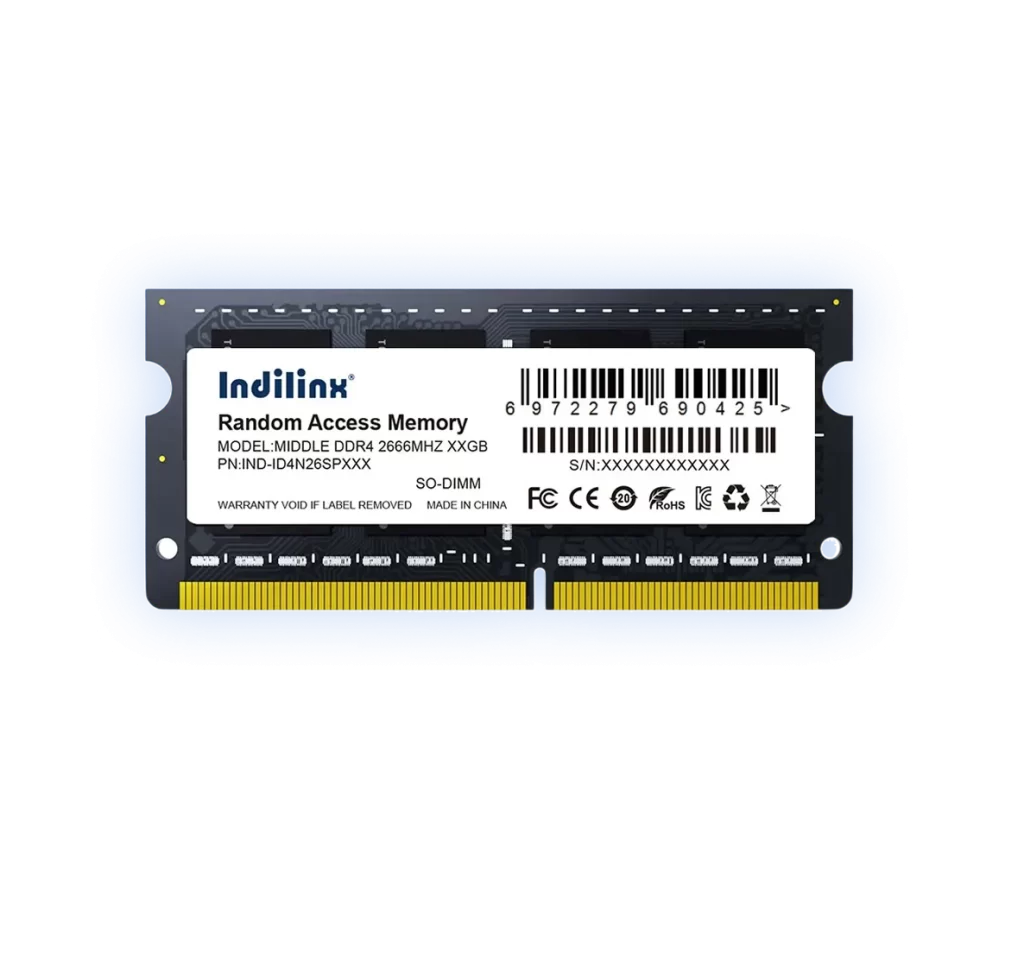
MIDDLE DDR3 UDIMM

Engineered for stable high-speed performance and dependable data integrity.

logo

MIDDLE DDR3 SODIMM

Engineered for stable high-speed performance and dependable data integrity.

logo

MAGIC I DDR3 UDIMM

Engineered for stable high-speed performance and dependable data integrity.

DDR4

logo

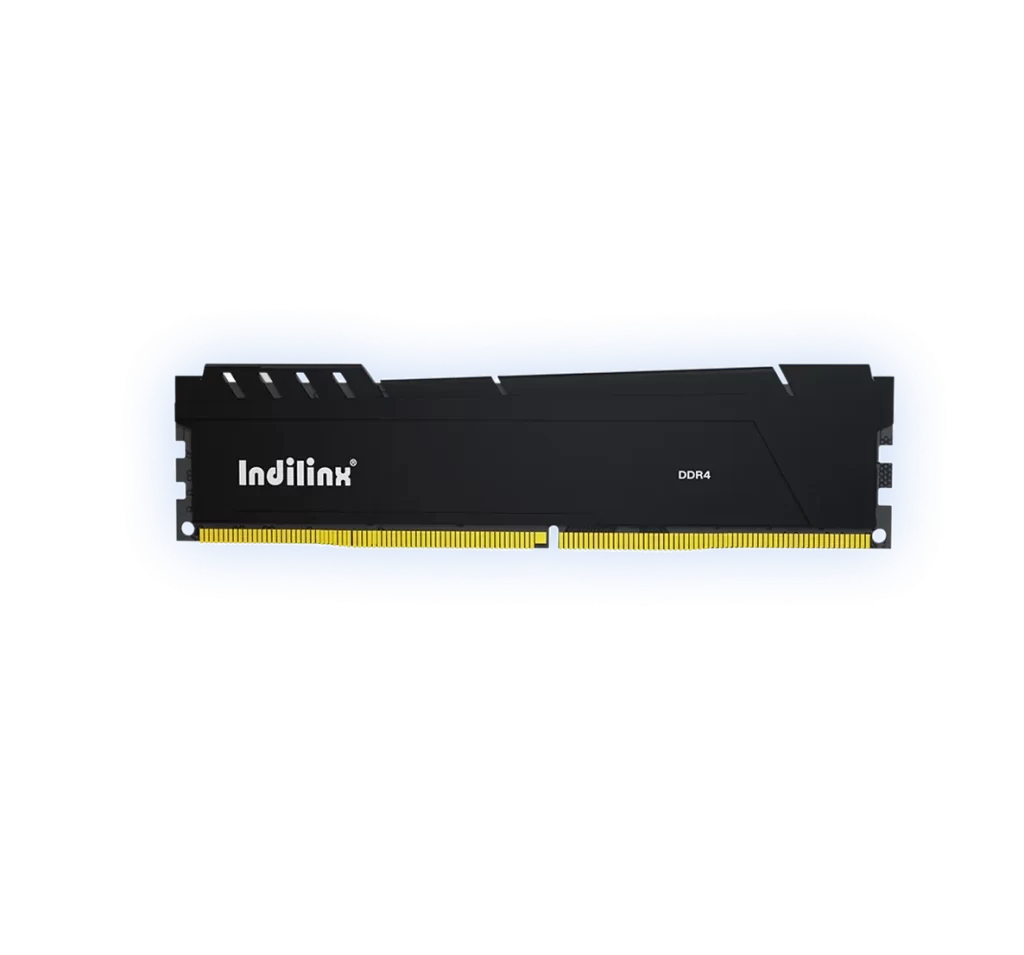
MIDDLE DDR4 UDIMM

Engineered for stable high-speed performance and dependable data integrity.

logo

MIDDLE DDR4 SODIMM

Engineered for stable high-speed performance and dependable data integrity.

logo

MAGIC I DDR4 UDIMM

Engineered for stable high-speed performance and dependable data integrity.

logo

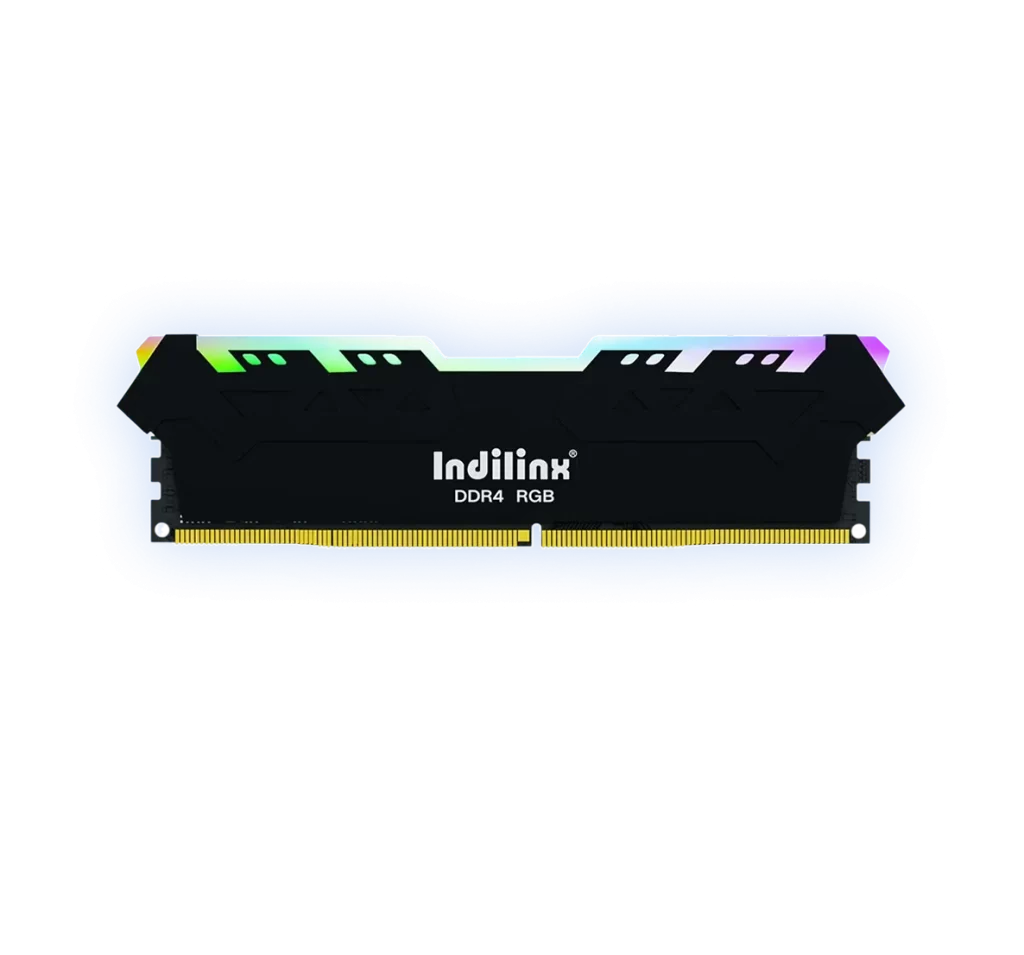
MAGIC I RGB DDR4 UDIMM

Engineered for stable high-speed performance and dependable data integrity.

DDR5

logo

MIDDLE DDR5 UDIMM

Engineered for stable high-speed performance and dependable data integrity.

logo

MIDDLE DDR5 SODIMM

Engineered for stable high-speed performance and dependable data integrity.

logo

MAGIC II DDR5 UDIMM

Classic and highly compatible memory option suitable for industrial systems, embedded devices and legacy platforms requiring stable long-term supply

logo

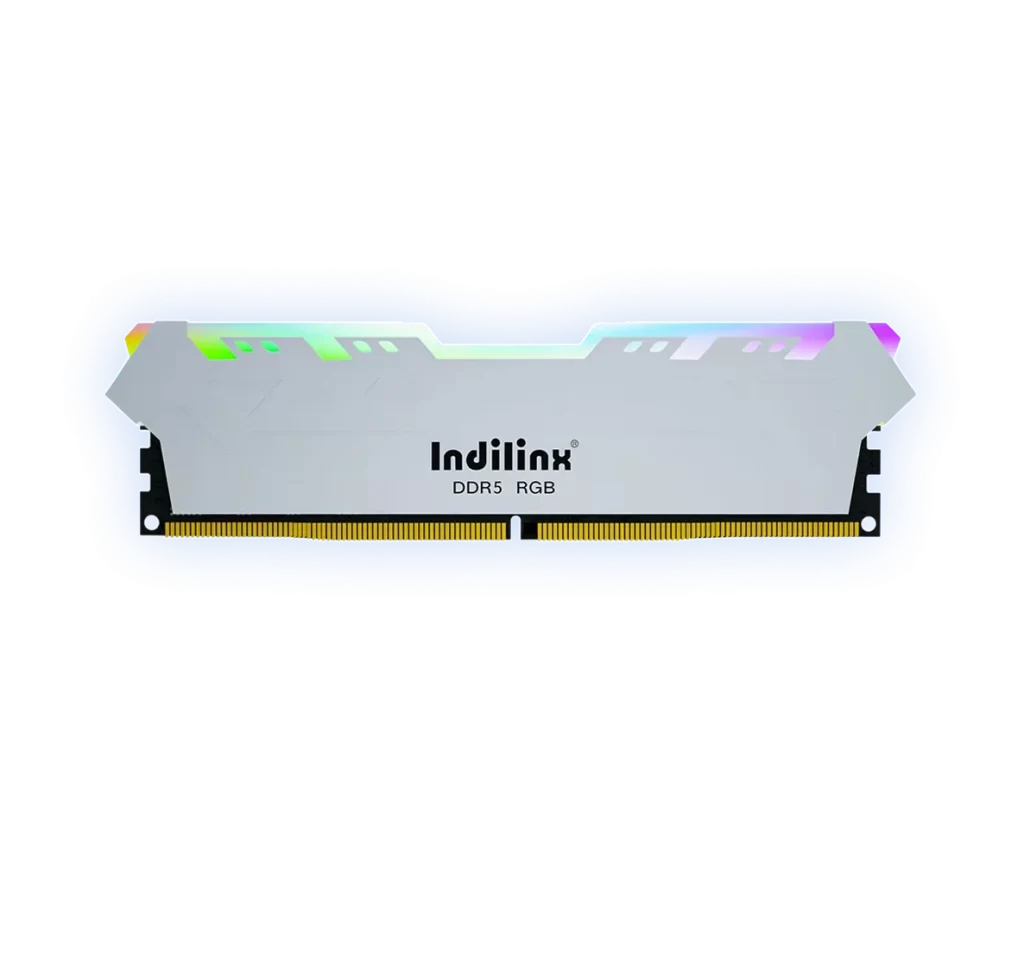
MAGIC II RGB DDR5 UDIMM

Classic and highly compatible memory option suitable for industrial systems, embedded devices and legacy platforms requiring stable long-term supply

High-Performance Memory(RAM) Knowledge

High-performance memory is far more than just a speed rating; it is a critical component that bridges the CPU and storage, directly determining your system’s responsiveness, multitasking fluidity, and application performance. Unlike standard modules, high-performance RAM prioritizes a combination of high data transfer rates (measured in Megatransfers per second, MT/s), low latency timings (the CL value), and robust stability, often achieved through rigorous binning and advanced circuit design. Key considerations include choosing the correct DDR generation (DDR4 or DDR5) for platform compatibility, understanding the synergy between frequency and latency for optimal real-world speed, and ensuring proper cooling via heatsinks to maintain performance under sustained loads. For enthusiasts and professionals, features like overclocking headroom (XMP/EXPO profiles), error correction (ECC), and dual/quad-channel configurations are paramount. Ultimately, investing in high-performance RAM unleashes the full potential of your processor, eliminating bottlenecks in gaming, content creation, scientific computing, and intensive data processing workflows.

Core Concepts: Speed, Latency, and Generations

Indilinx High-performance RAM is defined by three interconnected pillars: frequency (speed), measured in MT/s or effective MHz; latency (timings), expressed as a series of numbers like CL16-18-18-38; and the foundational DDR generation (DDR4 or DDR5). Frequency dictates the raw bandwidth—how much data can move per second—while latency measures the delay before data transfer begins. DDR5 introduces a paradigm shift with much higher base frequencies, but its initial latency in nanoseconds can be similar to top-tier DDR4. True performance comes from balancing high frequency with tight timings, and this balance is optimized within each generation. Understanding this interplay is crucial for making an informed choice.


In terms of raw bandwidth, yes. DDR5 has a higher base speed. However, a high-frequency, low-latency DDR4 kit can sometimes match or outperform an entry-level DDR5 kit in latency-sensitive applications. DDR5’s advantages in bandwidth and future scalability are clear for new builds.

Yes, absolutely. Advertised speeds (e.g., 6000MT/s) are overclocked profiles. If you don’t enable XMP (Intel) or EXPO (AMD) in your BIOS, your RAM will run at its standard JEDEC speed, which is often 4800MT/s for DDR5 or 2133MT/s for DDR4, resulting in significantly lower performance.
It is strongly discouraged. Even if they boot, the system will run all modules at the speed and timings of the slowest stick. This can lead to instability. For guaranteed performance and stability, use a single matched kit.

It depends on your CPU and GPU. For modern high-end systems, DDR5-6000 or DDR4-3600 are excellent sweet spots. Going beyond this often yields minimal fps gains for a much higher cost. Check your CPU manufacturer’s recommended speed for optimal performance.

It depends on your CPU and GPU. For modern high-end systems, DDR5-6000 or DDR4-3600 are excellent sweet spots. Going beyond this often yields minimal fps gains for a much higher cost. Check your CPU manufacturer’s recommended speed for optimal performance.

Enabling Performance: XMP/EXPO and Cooling

To achieve their rated high speeds, performance RAM modules rely on pre-configured overclocking profiles. Intel’s XMP (Extreme Memory Profile) and AMD’s EXPO (EXtended Profiles for Overclocking) are one-click settings in the BIOS that automatically apply the correct voltage, frequency, and timings. Without enabling these profiles, RAM will run at its default, much slower JEDEC standard speed. Effective heat dissipation is equally critical. As speed and voltage increase, so does heat, which can cause instability. Quality heatsinks, and sometimes active cooling, are essential for maintaining performance and longevity during sustained heavy workloads or overclocking.

Configuring for Maximum Impact

Installing RAM correctly is as important as buying it. For dual-channel operation (which doubles bandwidth), modules must be placed in the correct motherboard slots, typically A2 and B2. Mixing kits with different specs, even of the same brand, is not guaranteed to work and can force all sticks to run at the speed of the slowest module. For most users, 32GB is the current sweet spot for high-performance gaming and creation. Beyond capacity, ensuring your CPU and motherboard officially support your desired RAM speed is vital to avoid compatibility issues and post-installation troubleshooting.

Real-World Performance and Application

The performance gain from high-speed, low-latency RAM is most pronounced in scenarios that are sensitive to memory bandwidth and response times. This includes competitive esports gaming, where high frame rates and minimum frame times are critical; professional content creation with massive datasets (e.g., 4K/8K video editing, 3D rendering); and scientific computing. For general office tasks or basic web browsing, the benefits are minimal. The key is to align your memory investment with your primary use case and the capabilities of the rest of your system, particularly the CPU.

Memory(RAM) Technical Services and Warranty Programs

Indilinx Selecting high-performance memory involves more than just specifications; it requires confidence in long-term reliability and support. This is where comprehensive technical services and robust warranty programs become critical. These programs are designed to protect your investment, minimize system downtime, and provide peace of mind. They typically encompass troubleshooting assistance, compatibility verification, and clear repair or replacement policies. For mission-critical systems, professional workstations, and high-end gaming rigs, understanding the scope and details of these support offerings is as essential as comparing speed and latency timings before making a purchase.

Lifetime Warranty & Free Repair

Our commitment guarantees free repair or replacement for the functional lifetime of the product.

Advanced Technical Support

Access expert troubleshooting for compatibility and performance optimization issues.

Comprehensive Compatibility Verification

We pre-validate our modules with major motherboard and system manufacturer platforms.

Expedited Replacement Service (ERS)

A premium service option for critical systems that prioritizes your replacement shipment.

Memory(RAM) Product Files Download

download”AS SSD Benchmark.rar-221.89KB

download”AS SSD Benchmark.rar-221.89KB